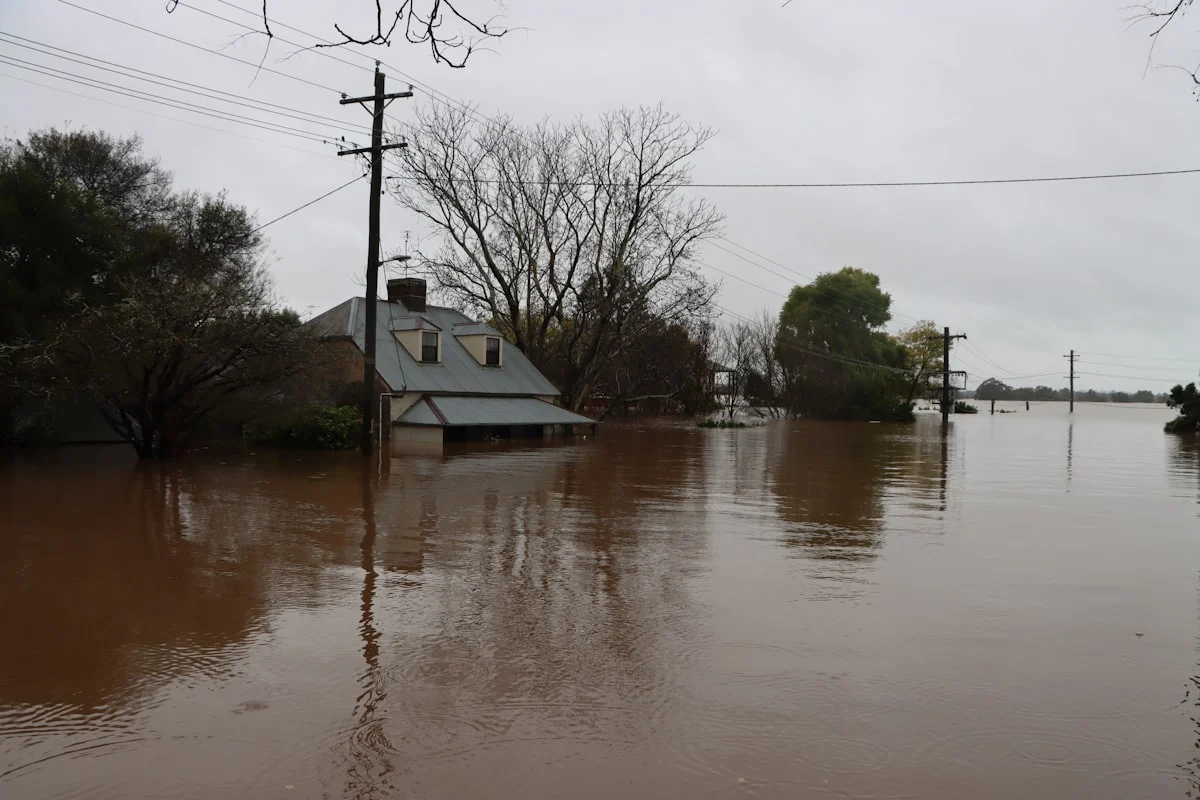
Flash floods develop faster than almost any other weather hazard, sometimes turning a dry street into a dangerous current in under an hour. Knowing what to watch for and how to react can be the difference between a scare and a tragedy.
Why Flash Floods Are So Dangerous
Unlike river flooding, which can take days to build, flash floods are triggered by intense rainfall over a short period, often from slow-moving thunderstorms. Just six inches of fast-moving water can knock an adult off their feet, and two feet can sweep away most vehicles.
Before a Flash Flood
- Know your terrain: Low-lying areas, canyons, and locations near rivers or storm drains flood first and fastest.
- Watch the rain map, not just the forecast: A real-time rain map shows exactly how intense rainfall is right now, which matters more for flash flooding than a general daily forecast.
- Prepare an emergency kit: Flashlight, batteries, drinking water, and copies of important documents in a waterproof bag.
During a Flash Flood
- Move to higher ground immediately if you’re in a flood-prone area and heavy rain is falling.
- Never drive through flooded roads. “Turn Around, Don’t Drown” exists because it’s impossible to judge water depth or road conditions underneath from a car.
- Avoid walking through moving water, even shallow water can conceal missing manhole covers or strong undercurrents.
After a Flash Flood
- Stay away from damaged roads and bridges until officials confirm they’re safe.
- Avoid floodwater contact, it often carries sewage, chemicals, or debris.
- Document damage with photos before cleanup, for insurance purposes.
Monitoring Conditions in Real Time
Because flash floods can develop within an hour of a storm forming, checking a live rain map alongside how thunderstorms develop gives you a meaningful head start compared to relying on a static forecast alone.
Why Flash Floods Kill So Many People
Flash flooding causes more weather deaths in many countries than any other thunderstorm hazard, and the reason is not that the water is unusually deep. It is that it arrives with almost no warning and people underestimate it.
Two figures explain most fatalities. Around 15 cm of moving water is enough to knock an adult off their feet. Around 60 cm is enough to float most cars, including large ones. Neither depth looks dangerous from a car window, which is why most flood deaths involve vehicles.
Before: Know Your Ground
- Find out if you are in a flood-prone area. Most national agencies publish flood risk maps. Narrow valleys, land below dams, areas downstream of recent wildfire burn scars and low-lying urban districts are all higher risk.
- Identify high ground and the route to it that does not cross a watercourse.
- Enable official alerts from your national meteorological service. Do not rely on a weather app alone.
- Keep essentials accessible — torch, power bank, medication, documents in a waterproof bag.
During: The Rules That Matter
- Never drive into standing water. Depth and current cannot be judged from a vehicle, and the road surface underneath may have washed away entirely.
- Never walk through moving water. If you must cross still water, use a pole to test depth ahead of each step.
- Move upward, not outward. In a flash flood, higher ground close by beats a longer journey.
- Leave a vehicle immediately if water begins rising around it, and move to higher ground on foot.
- Avoid all contact with floodwater where possible. It routinely carries sewage, fuel, chemicals and debris, and may be electrically live near downed cables.
- Do not wait for the water to look dangerous. Flash floods can rise metres within minutes.
After: The Risk Does Not End With the Water
- Wait for the all-clear from authorities before returning.
- Assume contamination. Discard food and medicine that has been in contact with floodwater, and treat tap water as unsafe until confirmed otherwise.
- Do not use electrics in a flooded building until inspected.
- Photograph damage before cleaning for insurance.
- Watch for structural damage. Water undermines foundations and can weaken floors and stairs invisibly.
Frequently Asked Questions
How deep does water need to be to be dangerous?
About 15 centimetres of moving water can knock an adult off their feet, and roughly 60 centimetres can float most cars. Neither depth appears dangerous from inside a vehicle, which is why most flood fatalities involve driving.
Why should you never drive through flood water?
Because depth and current cannot be judged reliably from a car, the road surface beneath may have washed away, and a relatively shallow flow is enough to lift and move a vehicle. Most flash flood deaths occur in vehicles.
What should I do if water rises around my car?
Leave the vehicle immediately and move to higher ground on foot. Do not attempt to drive out or wait inside for the water to recede.
How fast can a flash flood develop?
Often within minutes to a few hours of the rain starting, and fastest in steep terrain, urban areas and land downstream of recent wildfire burn scars, where water runs off rather than soaking in.
Is floodwater dangerous to touch?
Yes. It commonly carries sewage, fuel, agricultural chemicals and sharp debris, and can be electrically live near downed power lines. Avoid contact where possible and wash thoroughly afterwards.
When is it safe to return home after a flood?
Only after authorities give the all-clear. Assume contamination of food, medicine and tap water, do not use electrics until the building has been inspected, and watch for structural damage that water can cause invisibly.
In Conclusion
Flash floods reward preparation and quick decisions over improvisation. Know your local flood risk, watch the rain intensify in real time, and never underestimate moving water.