Category: Weather Explained
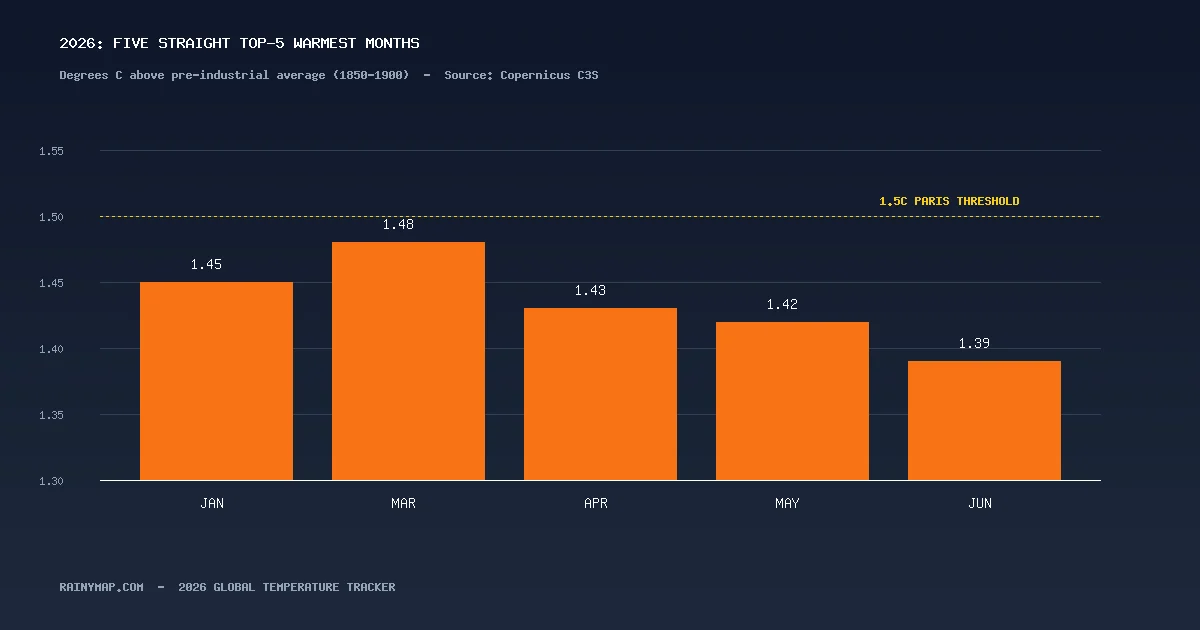
Is 2026 Going to Be the Hottest Year Ever Recorded? Here’s What the Data Shows
Every month of 2026 measured so far has ranked among the five warmest on record globally, and a strong El Niño is still intensifying. Here’s how 2026 stacks up against 2024’s record, updated monthly with the latest Copernicus, NASA and NOAA data.

Can Weather Radar Accurately Track Snow? What to Know Before Winter
Weather radar can detect snow, but it’s noticeably less reliable at it than at detecting rain, mainly because snowflakes reflect far less energy than raindrops and because the radar beam frequently overshoots shallow winter storm systems entirely. Why Snow Is Harder for Radar to “See” Snowflakes are less dense and reflect radar energy much less…
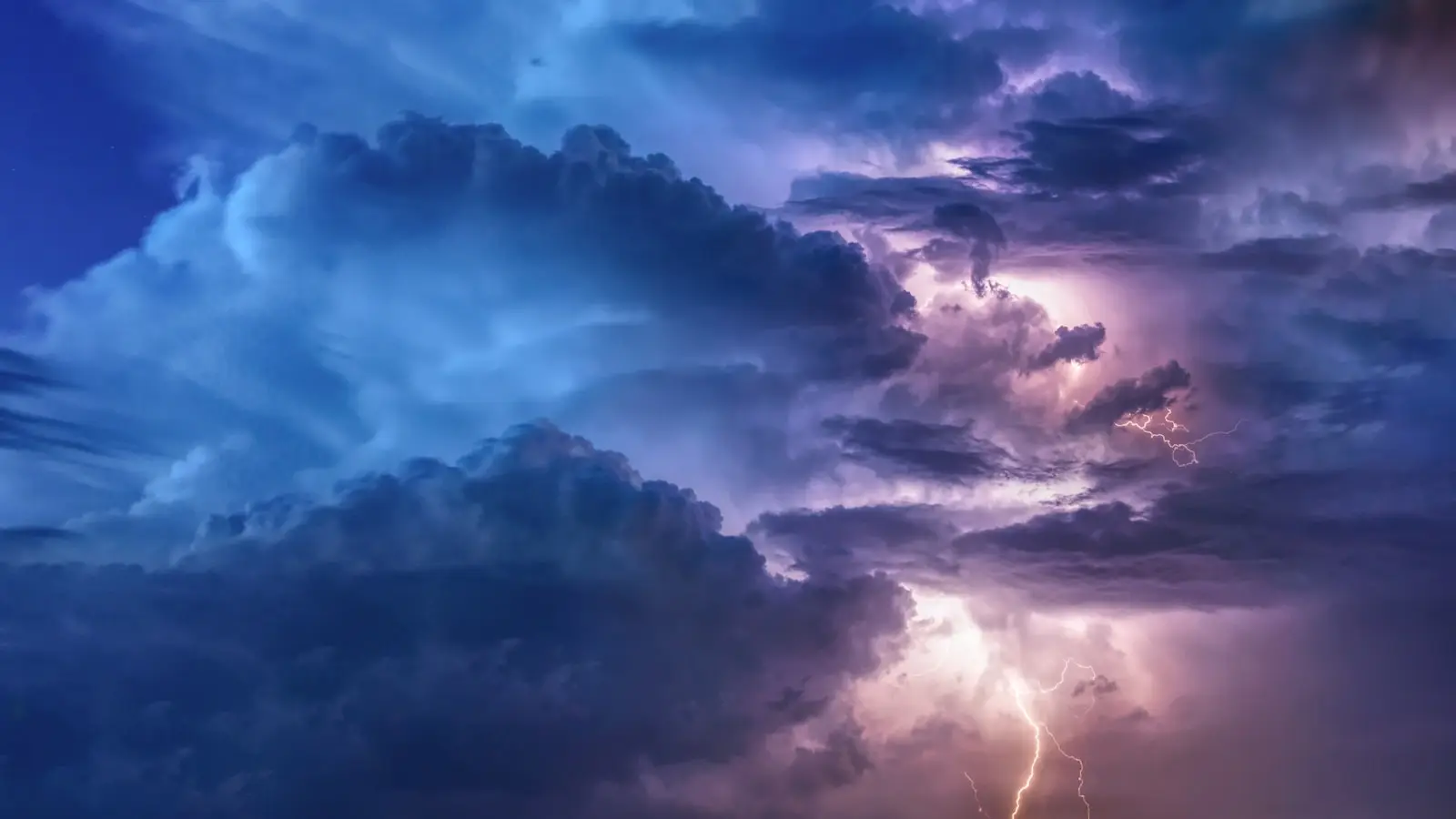
Understanding Radar Reflectivity (dBZ): From Light Drizzle to Severe Storms
dBZ (decibels relative to Z) is the unit meteorologists use to measure radar reflectivity, and it’s the actual number behind every color you see on a rain radar map, from light green drizzle to alarming shades of red and purple. What dBZ Actually Measures When a radar pulse hits raindrops, hail, or snowflakes, some of…

Why Does Rain Radar Sometimes Show Nothing When It’s Actually Raining?
If it’s raining outside but your radar map looks clear, the most likely explanation is that the radar beam is scanning well above the rain, the precipitation is too light to register strongly, or the map simply hasn’t refreshed yet. The Radar Beam Isn’t Scanning at Ground Level Weather radar doesn’t look straight down; it…
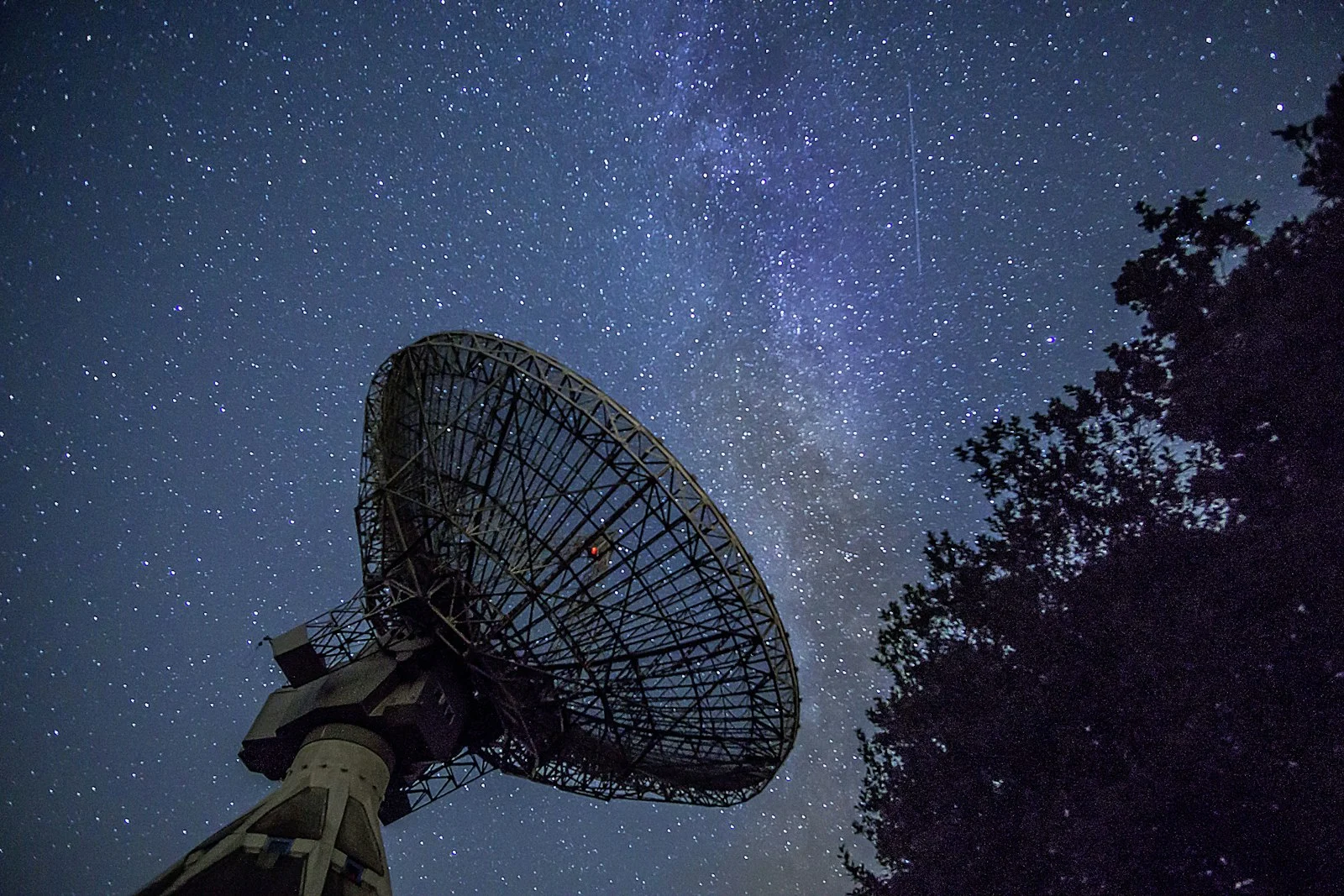
What Is Doppler Radar and How Does It Detect Storms in Real Time?
Doppler radar detects precipitation and wind by sending out pulses of radio waves and measuring how their frequency shifts when they bounce off raindrops, snowflakes, or hail, a phenomenon called the Doppler effect. The Doppler Effect, in Plain Terms You’ve heard the Doppler effect before, even if you didn’t know the name: it’s why a…
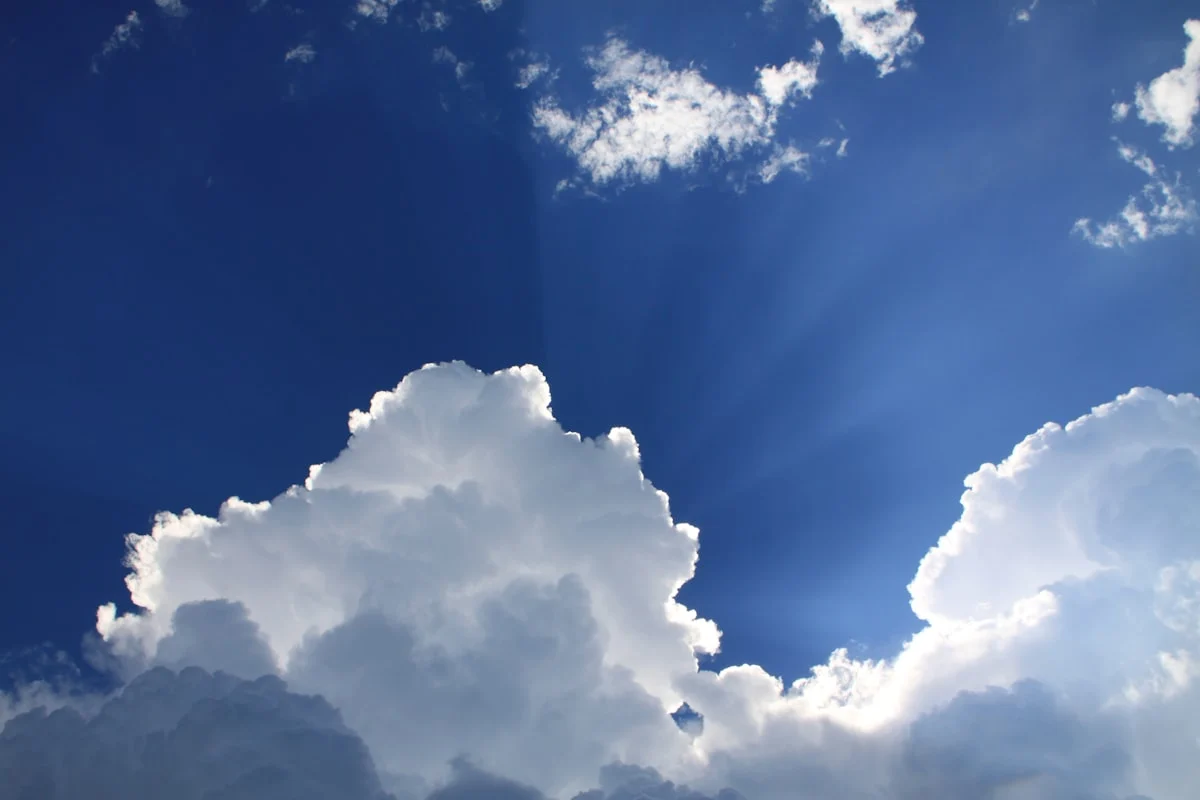
Cloud Types Explained: A Guide to Identifying Clouds
Clouds are the sky’s way of telling you what’s coming next, and once you know the basic categories, you can often predict weather changes hours before they arrive. The Three Height Families Meteorologists classify clouds primarily by altitude: high clouds (above roughly 20,000 ft), mid-level clouds (6,500-20,000 ft), and low clouds (below 6,500 ft), plus…
What Causes Thunderstorms? The Science Behind Storms
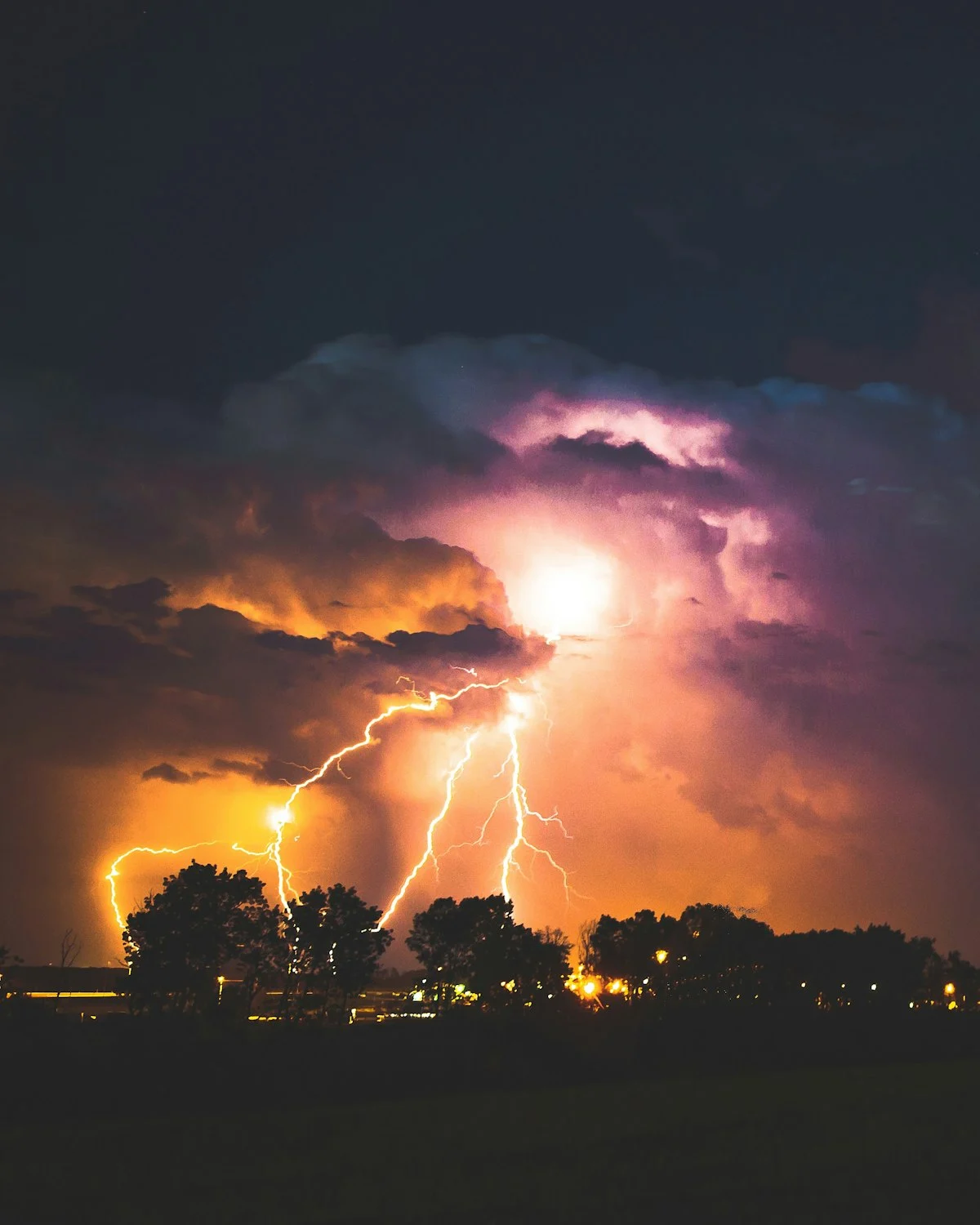
Thunderstorms form when three ingredients come together: moisture, rising warm air, and instability in the atmosphere. Understanding this recipe explains why storms tend to erupt on hot, humid afternoons and why some regions see far more of them than others. The Three Key Ingredients Moisture: Water vapor near the surface, often pulled in from oceans,…
How Does Lightning Form? The Physics of a Lightning Strike
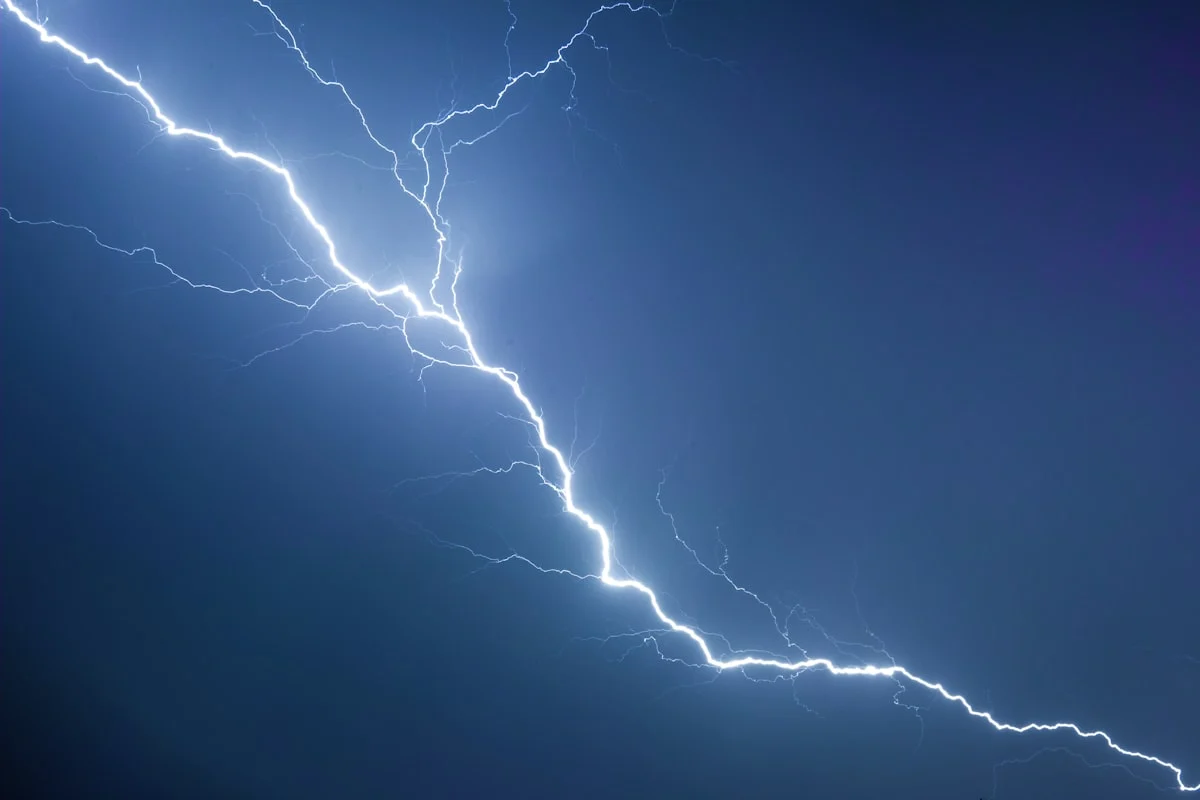
Lightning is one of nature’s most dramatic displays, but at its core it’s a simple physics problem: how does a storm build up enough electrical charge to arc through the sky or strike the ground? Building an Electrical Charge Inside a thunderstorm, powerful updrafts and downdrafts send ice crystals, graupel (soft hail), and water droplets…