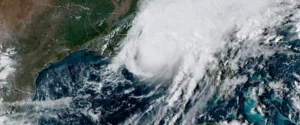
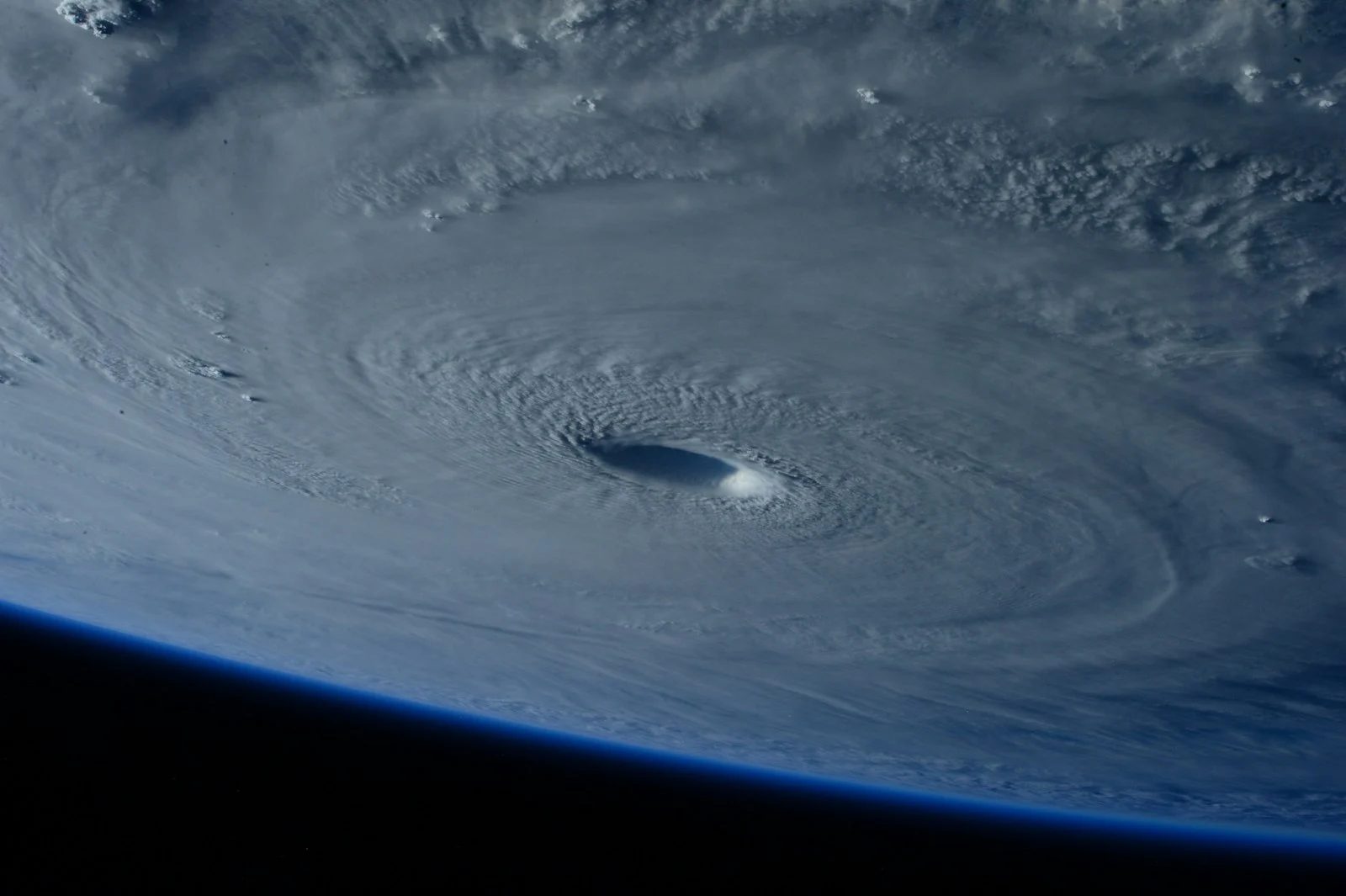
October 2026 update: The quiet season finally produced its first hurricane. Isaias became a hurricane on 8 October, matching a 1905 record for the latest first hurricane of an Atlantic season. It then peaked as a Category 3 and made landfall near Destin, Florida, as a Category 2 on 9 October. Read our full analysis: Hurricane Isaias ties a 121-year-old record.
More than a month into the 2026 Atlantic hurricane season, only one named storm, Tropical Storm Arthur, has formed across the entire Atlantic, Caribbean, and Gulf of Mexico combined, and forecasters now expect the quietest season in over a decade.
Quick Facts
- Named storms so far: just one, Tropical Storm Arthur, which formed offshore of southeast Texas
- Revised seasonal forecast: 9 named storms, 4 hurricanes, 1 major hurricane (Category 3 or stronger)
- What that would mean: fewest storms since 2014, fewest hurricanes since 2015, fewest major hurricanes since 2013
- Main cause: a strengthening El Nino, with a large plume of Saharan dust playing a supporting role
- Short-term outlook: no tropical cyclone development expected in the tropical Atlantic in the coming week
Just One Named Storm So Far
Through early July, the tropical Atlantic has stayed unusually quiet. Tropical Storm Arthur, which formed just offshore of southeast Texas, remains the only named storm of the season, a striking contrast to recent years when the basin has often produced multiple storms by this point in the calendar. Forecasters describe conditions across the basin as essentially silent, with no organized systems expected to develop in the near term.
Forecasters Cut Their Numbers
Colorado State University’s tropical meteorology team, one of the most closely watched seasonal forecasting groups, has revised its outlook downward to just 9 named storms for the full season, of which only 4 are expected to become hurricanes and just 1 to reach major hurricane strength (Category 3 or higher). If that forecast holds, 2026 would produce the fewest storms since 2014, the fewest hurricanes since 2015, and the fewest major hurricanes since 2013. NOAA’s own seasonal outlook similarly called for a below-normal season.
The El Nino Effect
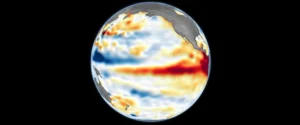
The primary driver behind the quiet start is a strengthening El Nino pattern in the Pacific, which is expected to intensify further as the season progresses. El Nino tends to increase wind shear across the tropical Atlantic, the change in wind speed and direction with height that can tear apart developing storms before they organize. It is one of the most reliable large-scale relationships in seasonal hurricane forecasting: strong El Nino years are, on average, quieter Atlantic hurricane seasons.
Saharan Dust’s Supporting Role
Alongside El Nino, a substantial plume of Saharan dust moving off the coast of Africa has helped suppress storm development. Dust-laden, dry air suppresses the thunderstorm activity that tropical waves need to organize into depressions and storms, and it has been unusually persistent across the main development region this year.
Quiet Does Not Mean Safe
A quiet basin-wide season is not the same as a quiet season for any one location. Some of the most damaging hurricanes on record, including several Gulf Coast landfalls, occurred during seasons with below-average overall storm counts. A single storm that forms close to shore, as Arthur did, can still bring significant impacts with very little lead time.
How to Track a Storm the Moment It Forms
Because a quiet season can still turn dangerous quickly, it is worth checking conditions directly rather than relying on the seasonal outlook alone. A live rain map and real-time wind map let you see a developing system’s rain bands and wind field as they evolve, and our guide on how to track a hurricane in real time walks through exactly what to watch for in the days before a storm approaches.
Frequently Asked Questions
How many storms have formed in the Atlantic in 2026?
As of early July, only one named storm, Tropical Storm Arthur, has formed in the Atlantic basin, Caribbean Sea, and Gulf of Mexico combined.
Why has the 2026 hurricane season been so quiet?
A strengthening El Nino has increased wind shear across the tropical Atlantic, and a persistent plume of Saharan dust has suppressed the thunderstorm activity that tropical waves need to develop into storms.
How many hurricanes are forecast for 2026?
Colorado State University’s tropical meteorology team is now forecasting 9 named storms, 4 hurricanes, and 1 major hurricane for the full season, which would be among the lowest totals in over a decade.
In Conclusion
El Nino and Saharan dust have combined to produce one of the quietest Atlantic hurricane season starts in years, but forecasters are careful to note that quiet is not the same as safe. It only takes one storm in the wrong place to make a below-average season feel very different on the ground.